This article delves into the expanding sphere of electromobility, an innovative sector focused on electric vehicles and infrastructure. As worldwide efforts to reduce emissions progress, electromobility continues to gain prominence, offering a sustainable alternative to traditional vehicles. Wikipedia and other sources serve as vital repositories of information, guiding understanding and development within this dynamic field.
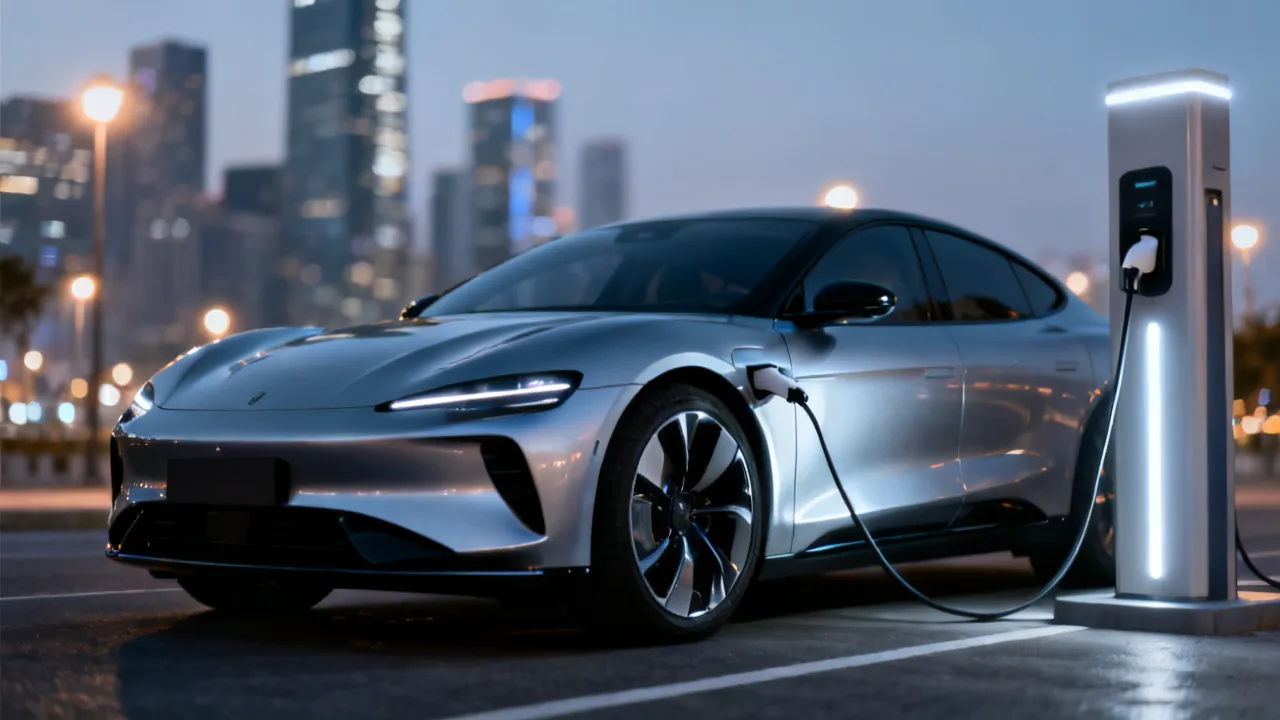
In the past few decades, electromobility has transformed from a niche interest to a mainstream segment of the transportation industry. This surge is primarily fueled by a global mandate to curb carbon emissions and combat climate change. Electromobility refers to the use of electric powertrains, commonly in electric vehicles (EVs), but it also extends to e-bikes, e-scooters, and electric buses, providing substantial environmental benefits over conventional internal combustion engines. As society becomes more aware of the precarious state of our environment, the urgency for cleaner and more sustainable transportation solutions has ignited a revolution in how we view mobility.
At the heart of this transformation is the increasing demand for cleaner alternatives. With rising global temperatures and severe weather patterns becoming ever more common, the conversation surrounding global warming has moved from academia into the mainstream. Governmental bodies, businesses, and individuals are recognizing their roles in addressing these pressing challenges. Furthermore, technological advancements are leading to innovations in battery technology, making electric vehicles more efficient, affordable, and versatile.
Electric vehicles, which once faced skepticism regarding their capabilities and limitations, are now being adopted at an accelerating pace. This trend is driven by a combination of heightened consumer awareness, supportive policies, and automotive manufacturers increasingly committing to electrification. It reflects a shifting belief that sustainable mobility is not only desirable but essential for future generations. As infrastructures evolve to accommodate electric vehicles, we are witnessing the genesis of a new era in transportation modalities.
Wikipedia serves as an extensive repository of knowledge, offering valuable resources on a plethora of subjects, including electromobility. As a collaborative platform, Wikipedia allows experts, enthusiasts, and the general public to share information, thus fostering a comprehensive understanding of EV technologies, advancements, and the challenges facing the industry. Its open-edit nature ensures that information regarding electromobility is both current and extensive, covering technical specifications, market trends, and user experiences.
The role of Wikipedia is particularly important as it democratizes access to knowledge, enabling individuals from diverse backgrounds and regions to learn about Electromobility. It provides a platform for discussions on important topics such as the comparison of various EV models, analyses of technological advancements, and insights into government policies around the world. For instance, a user can inquire about the latest breakthroughs in battery technology, like solid-state batteries, and find a wealth of information that could inform their purchase decisions or academic research.
Furthermore, Wikipedia's extensive articles often include references to scientific research, news articles, and case studies, providing the necessary context and depth for readers. This not only raises awareness about electromobility advancements but also sparking improvements in public understanding of sustainability issues related to transport. The collective effort to maintain accurate and up-to-date entries ensures a knowledge-sharing environment that contributes to the larger dialogue on electromobility's role in future transport systems.
The convergence of these drivers has spurred a tectonic shift in electric vehicle adoption rates worldwide, leading to the emergence of new business models, such as subscription services and car-sharing programs centered around electric mobility. This burgeoning market continues to gain momentum as more stakeholders recognize the value and potential of sustainable transport solutions.
The widespread adoption of electromobility depends heavily on robust infrastructure, particularly charging networks. As the demand for electric vehicles escalates, so does the need for convenient, efficient, and widespread charging solutions. In various regions, local and national governments, in coordination with private enterprises, are investing substantially in developing fast and ultra-fast charging stations, enabling longer trips and reducing range anxiety among users.
Developing the EV charging network entails both public and private investment and innovation. Traditional gasoline stations are being converted or supplemented with charging points to cater to the growing number of electric vehicles on the road. The concept of charging at home, combined with user-friendly apps that indicate charging station locations, pricing, and availability, significantly enhances user experience. Availability and accessibility are essential factors that influence consumer decisions towards adopting electric vehicles.
Moreover, there is a burgeoning trend of integrating charging stations into urban planning and public spaces, such as parking lots, shopping centers, and highways. The incorporation of solar panels at charging sites enhances the sustainability aspect, enabling renewable energy to offset the demand on electrical grids. As part of a holistic approach to promoting electromobility, the integration of renewable energy infrastructures further aligns with global goals for achieving carbon neutrality and decreasing reliance on fossil fuels.
As charging infrastructure expands, we also see the emergence of smart charging solutions. These systems allow for dynamic pricing models that reflect grid energy demand, encouraging consumers to charge their EVs during off-peak hours when energy is cheaper. Such innovations enable better load management on electrical grids, helping to mitigate potential strain as electric vehicles increasingly populate the roads.
Despite its numerous advantages, the electromobility sector faces several hurdles that require concerted efforts to overcome:
As the adoption of electromobility accelerates, several trends are emerging that are likely to define the future landscape of this industry:
As electromobility continues to evolve, its impact on our environment, economies, and lifestyles is bound to be significant. The shift toward electric vehicles will not only mitigate climate change but will also contribute to breakthroughs in urban living and social dynamics. With resources like Wikipedia helping to inform the global population, the future looks poised for a transportation paradigm that prioritizes sustainability and efficiency. We are standing at the precipice of a new transportation landscape where electric and autonomous technologies will redefine urban mobility.
Public discourse and government initiatives will be critical in guiding this transition, balancing the needs for innovation with environmental stewardship. Encouraging the widespread adoption of electric vehicles cannot be achieved without understanding local cultural attitudes, economic realities, and existing infrastructures. Stakeholders must work collaboratively to implement effective policies that address concerns and promote incentives for transitioning to clean energy.
As society makes strides toward sustainable transport, the role of education, awareness, and community engagement will be paramount. The collective effort to create a new vision for mobility—one that respects our planet, improves health standards, and enhances quality of life—must be recognized and supported. It is essential to remain adaptive and forward-thinking, embracing the challenges and opportunities that lie ahead in the exciting world of electromobility.
In conclusion, electromobility is more than just a trend; it is a necessary evolution in our quest for maintaining balance with our environment. By valuing sustainability and integrating technology with transportation, we can set the foundation for generations to come. The future of electromobility offers promise, innovation, and hope for a cleaner and more equitable world.
Rose Rocket: Expert Buying, Care, and Sourcing Guide

Rose Rocket: Industry Guidance on Selection and Use

Rose Rocket: An Expert Guide to Choosing Wisely

Rose Rocket Buyer’s Guide and Expert Analysis

Rose Rocket: Expert Guide to Selection and Care

Rose Rocket: Expert Guide to Sourcing and Buying

Rose Rocket: Supplier, Pricing, and Selection Guide

Rose Rocket: Industry Guidance for Smart Selection

Rose Rocket: Care, Sourcing, and Value Assessment

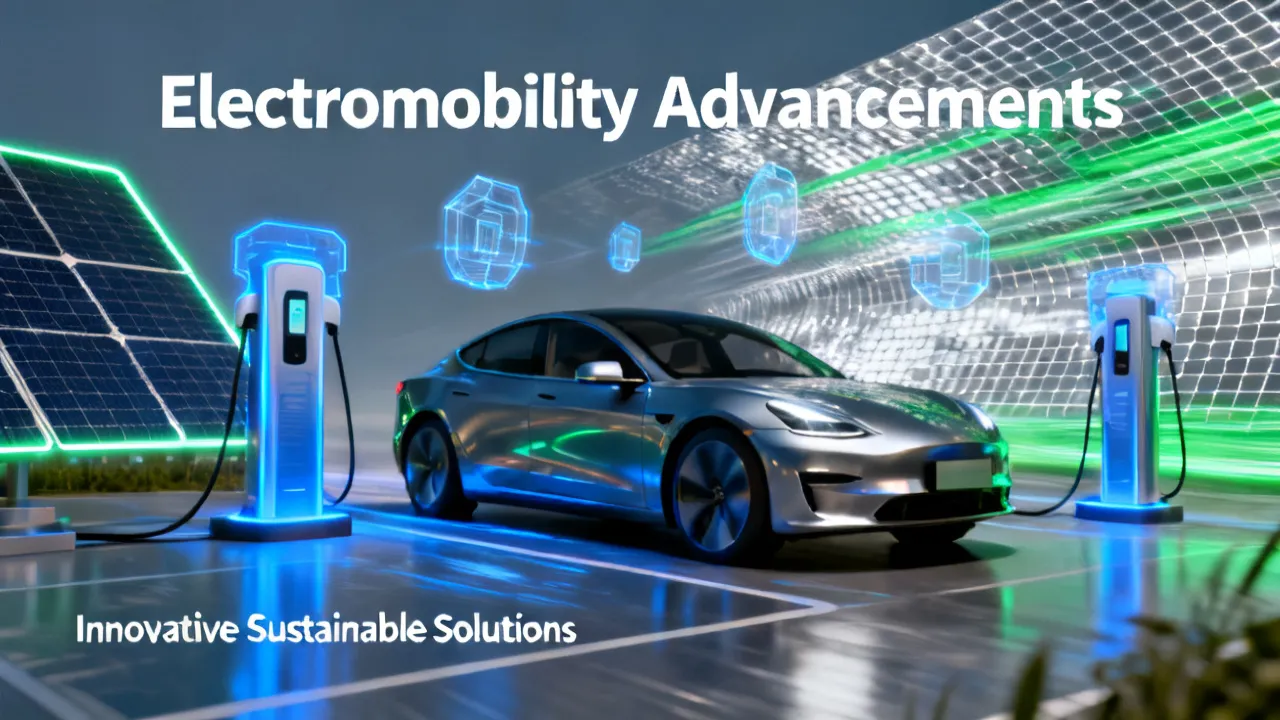
Understanding Electromobility Enhancements
Electromobility, as explored through Electromobility Wikipedia, represents the shift towards using electric power in transportation systems, featuring electric vehicles (EVs) and supporting infrastructure. The evolution of electromobility includes a focus on sustainability, technological progress, and its implications for the future of transport. This article delves into the nuances and significance of electromobility in today's world.
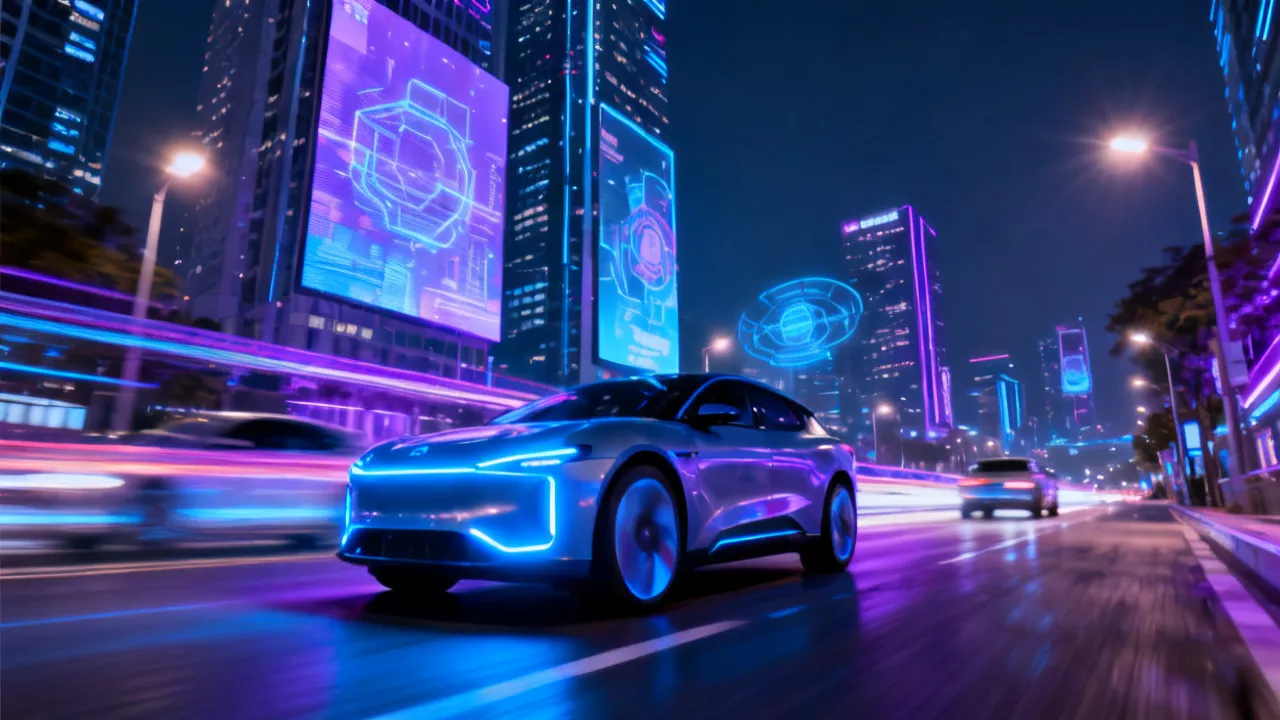
Understanding Electromobility Concepts
Electromobility refers to the use of electric-powered vehicles, which have become a cornerstone of modern transportation solutions. With its potential to significantly reduce carbon emissions and reliance on fossil fuels, electromobility is increasingly capturing public and policy interest. This article provides an in-depth analysis of electromobility, its impact on the transportation sector, and key considerations.
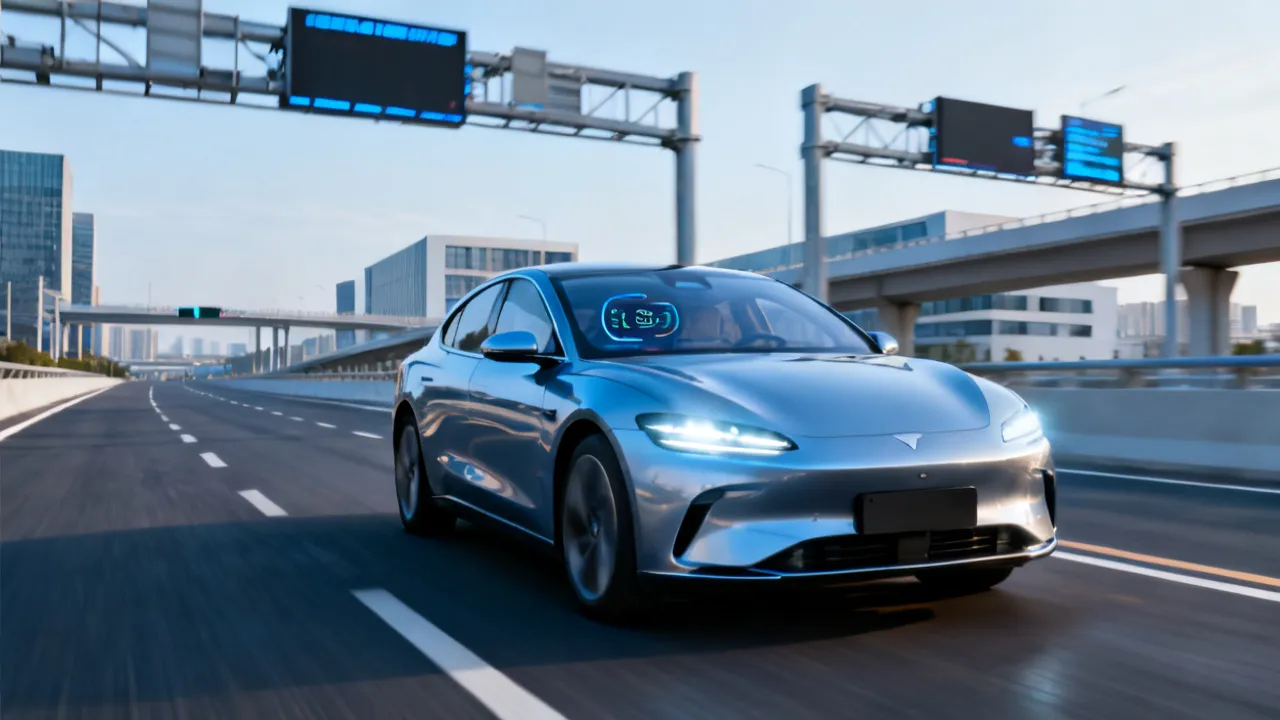
The Rise of Electromobility
Electromobility is transforming transportation by encouraging the shift from traditional vehicles to electrically powered ones. This shift is driven by growing environmental concerns and advancements in electric vehicle technology. Fundamentally linked with the information and resources available on Wikipedia, electromobility represents a pivot towards greener energy solutions in the transportation sector.
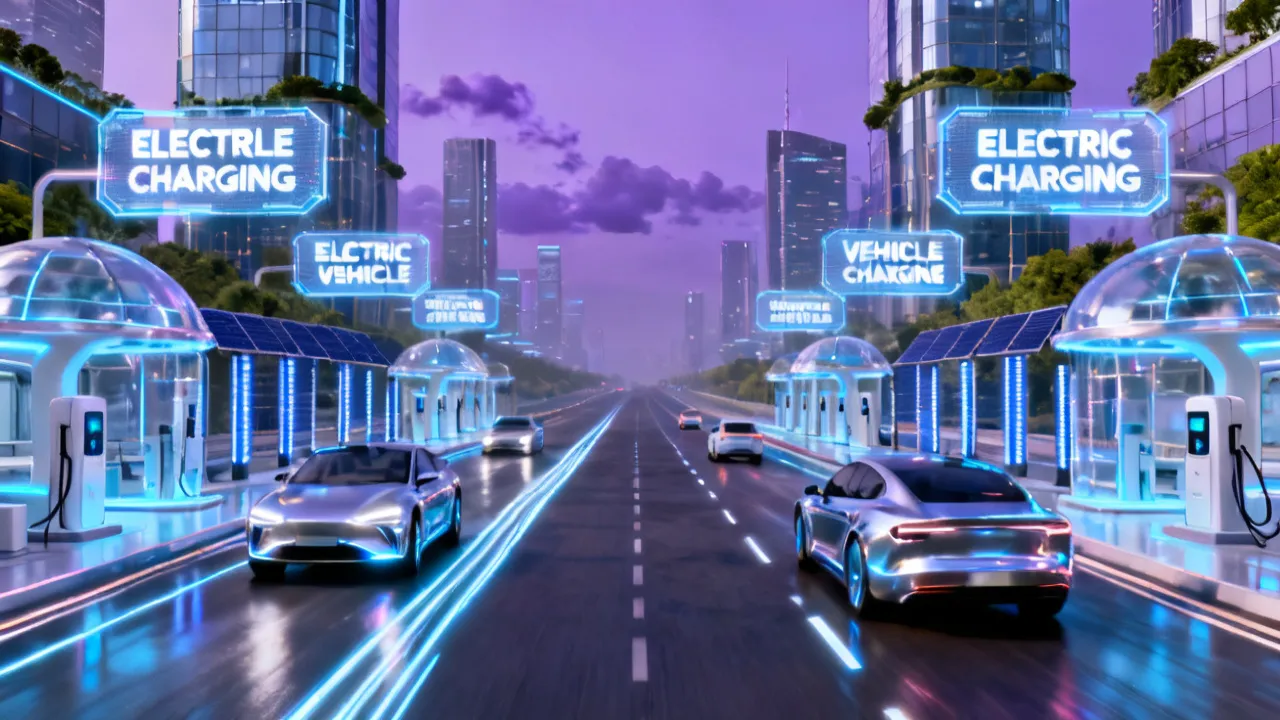
Understanding Electromobility's Impact
Electromobility Wikipedia offers a comprehensive examination of the shift from traditional transportation means to electric-powered solutions. As cities and industries worldwide embrace sustainable practices, electromobility emerges as a key player in reducing carbon emissions, fostering innovation, and redefining the future of transportation systems.
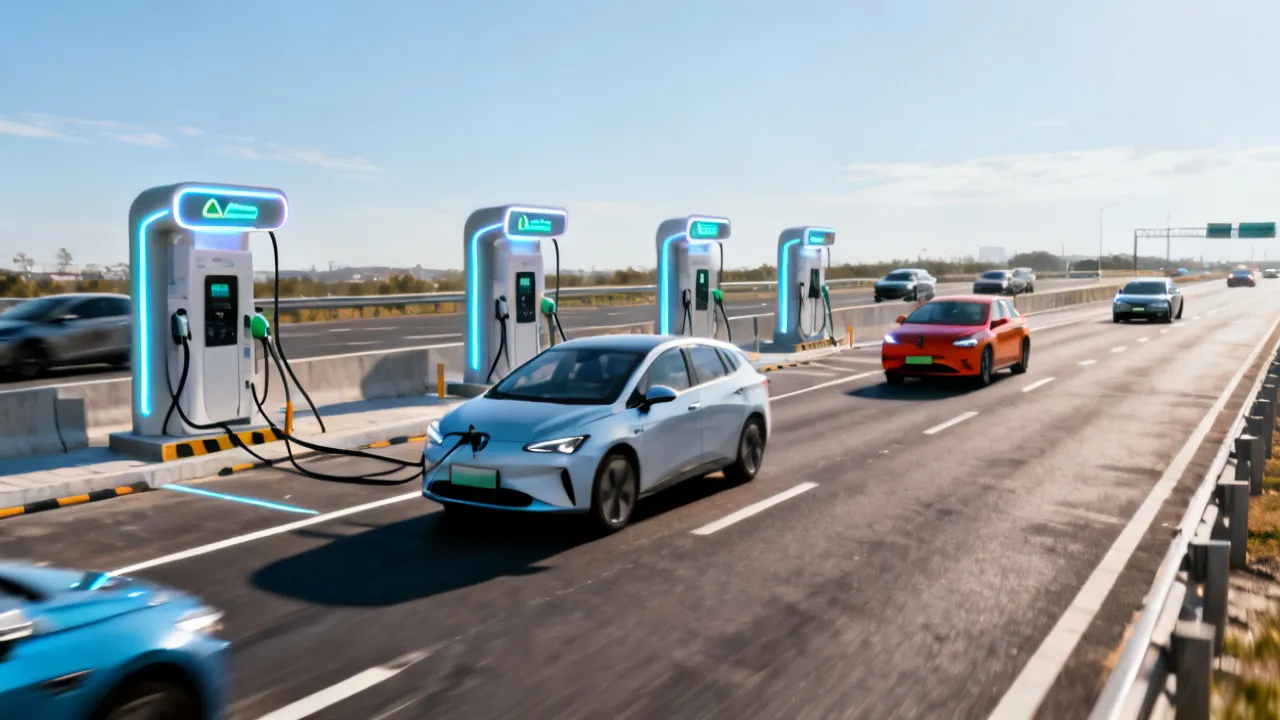
Unveiling Electromobility's Impact and Insights
Electromobility represents a transformative shift in transportation, emphasizing the use of electric vehicles (EVs) powered by electricity rather than traditional fossil fuels. As the demand for more sustainable modes of transport grows, electromobility has gained significant attention for its potential in reducing carbon footprints and advancing technological innovations in automotive industries globally.

Understanding Electromobility: A Comprehensive Guide
This article delves into the world of electromobility, a salient trend in contemporary transportation aimed at reducing greenhouse gas emissions. Electromobility refers to the use of electric vehicles (EVs) and the associated infrastructure, explaining its rising significance. By exploring its features and challenges, this guide offers an in-depth understanding of electromobility’s potential impact on global travel dynamics.